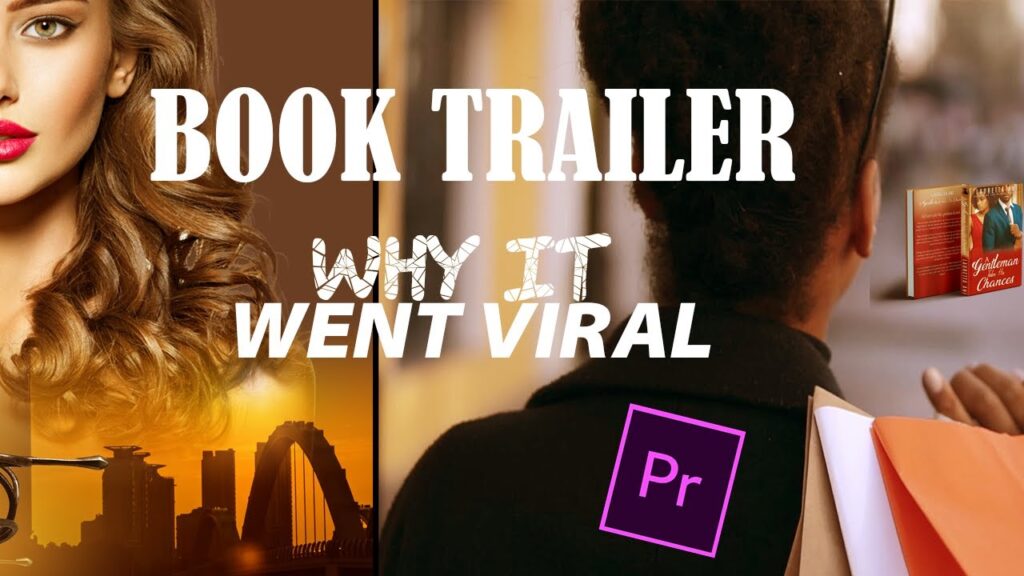
Book trailers have emerged as a modern promotional tool, drawing inspiration from the excitement of movie trailers. Their main purpose is to grab attention, visually represent the story, and entice potential readers to explore the book further. With the increasing dominance of video content in digital marketing, book trailers have become a vital tool for authors and publishers to stand out in a crowded marketplace.
They are not only effective in engaging audiences but also serve as a bridge between the traditional publishing world and the growing trend of visual marketing. The blog will explore the effectiveness, benefits, and challenges of using book trailer video as a key component of an author’s promotional strategy.
What Makes a Successful Book Trailer
A successful book promo video relies on key elements such as striking visuals, appropriate music, engaging narration, well-paced storytelling, and a clear alignment with the book’s branding. There are different types of trailers, including cinematic trailers that focus on the story’s essence, animated or illustrated trailers that bring the book’s world to life, and author-focused trailers that provide behind-the-scenes content or personal messages.
The ideal duration is between 30–90 seconds, especially for social media platforms where engagement is key. It’s essential that the trailer’s style aligns with the target audience to maximize its effectiveness. A well-crafted book trailer, tailored to the book’s genre and audience, can make a lasting impact, encouraging potential readers to take action and engage with the content.
Benefits of Book Trailers as a Promotion Strategy
Book trailers are an invaluable asset for authors looking to capture attention in an increasingly crowded marketplace. They appeal to modern audiences who prefer video content over traditional text, creating an immediate emotional connection and enticing viewers to explore the story further. Book trailers also increase shareability, offering the potential for viral reach on platforms like YouTube, Instagram, TikTok, and Facebook.
Their visual nature helps build an author’s brand identity and reinforces the narrative through dynamic storytelling. Furthermore, book trailer video content often drives higher engagement than static text or images alone. Videos have been proven to be more memorable, prompting action from viewers, whether it’s sharing the video or purchasing the book. The visual appeal of a well-crafted trailer can ultimately play a significant role in an author’s success by expanding their reach and fostering stronger connections with potential readers.
Limitations and Challenges
While book trailers offer a wealth of benefits, there are several challenges to consider. One major obstacle is the production costs and time investment involved in creating a high-quality video. Crafting a trailer that effectively condenses a book’s story into 1–2 minutes without giving away spoilers can be difficult, especially for complex narratives. Additionally, if the tone of the trailer doesn’t match the mood of the book, it can create mismatched expectations, potentially turning off prospective readers.
Another limitation is the reach of the trailer; without a solid marketing strategy to accompany it, a book trailer may not reach the intended audience. For example, non-fiction genres may not see the same impact as fiction or fantasy books, as these genres benefit more from visual storytelling. While book trailers can significantly boost visibility, they need to be part of a larger, well-coordinated marketing effort to achieve maximum effectiveness.
Best Practices for Effective Book Trailers
Book trailers work best when they stay engaging. Focus on visuals that captivate. A strong hook keeps the audience interested. Don’t reveal the plot. A trailer should leave viewers craving more. Add a call-to-action. Direct the audience to a pre-order link or the book’s website. Adjust the format for each platform. Instagram or TikTok videos are best in vertical format. YouTube or Facebook need landscape. High-quality editing makes a difference. Add sound design to match the atmosphere of the book. Use branding that aligns with the book’s cover or message. Professional touches make a trailer stand out in the crowded marketplace.
Case Study
Take the book The Night Circus as an example. The trailer captured the essence of the book perfectly. The visuals were moody, capturing the mysterious atmosphere the story offers. The music added to the overall tone, creating a sense of wonder and suspense. The trailer’s strength was in creating curiosity, not in telling the story. It didn’t give away plot details. Instead, it showcased visuals that hinted at the magic and intrigue of the book. The trailer’s pacing kept viewers engaged, with just enough information to spark interest without overwhelming them.
The call to action was clear, directing viewers to the book’s website. This simple but effective approach worked across multiple platforms, including Instagram and YouTube. It reinforced the book’s branding, creating a recognizable image that fans would remember. The trailer led to more pre-orders and shares across social media, increasing the book’s visibility. This case proves how powerful a well-executed book trailer can be when it focuses on the right elements: curiosity, atmosphere, and visual storytelling.
Measuring the ROI of Book Trailers
To measure the ROI of a book trailer service, look at specific numbers: views, shares, and click-throughs. Track how many viewers followed through to pre-order the book. Compare the production costs to the results. If the trailer leads to more sales, it’s a good investment. But don’t just focus on numbers.
Also, consider the broader impact. A trailer works best when paired with a strong marketing strategy. Social media campaigns, newsletters, and virtual events can complement the trailer’s impact. Track how these efforts work together to drive engagement. While direct sales are the immediate goal, think about the long-term effects. Building an author’s brand and trust with the audience matters just as much. A trailer’s impact can be felt long after it’s released.
Alternative or Complementary Video Marketing Strategies
There are various ways to complement book trailers with other engaging video content. Author interviews or live Q&A sessions help humanize the author and build a connection with the audience. Behind-the-scenes clips showing the writing process or research can provide valuable insight, making readers feel part of the journey. Animated quotes or short thematic teasers can capture the essence of the book, offering snippets of wisdom or intrigue in bite-sized formats.
These videos can be used on social media to spark curiosity and invite further exploration. Integrating these video formats with events like book launches, webinars, or virtual tours enhances engagement. Combining these strategies with a well-crafted book trailer creates a dynamic promotional approach that maintains momentum and continues building audience interest.
Conclusion: Are Book Trailers Worth the Investment?
Book trailers offer a powerful way to engage readers, build awareness, and create anticipation around a book’s release. They are particularly effective for fiction, visual, or story-driven genres, where the narrative can be captured visually. However, book trailers are just one tool in a larger marketing strategy.
Their success relies on production quality, effective audience targeting, and how well they integrate with other promotional efforts. When aligned with a strong marketing plan, book trailers go beyond being mere gimmicks, they help strengthen the author’s brand and significantly boost reader interest. By incorporating them into book launches, social media campaigns, and virtual events, authors can create a consistent and compelling promotional presence. When used strategically, book trailers are a valuable investment that offers long-term benefits for author visibility and book sales.
FAQs
1. What is a book trailer and how does it work?
A book trailer is a short video that visually promotes a book, much like a movie trailer. It highlights the story, setting, and key elements to attract readers.
2. Are book trailers effective for self-published authors?
Yes, book trailers are particularly effective for self-published authors as they help increase visibility, engage potential readers, and promote books on social media and websites.
3. How long should a book trailer be?
The ideal length for a book trailer is 30–90 seconds. This is short enough to maintain viewer attention and long enough to provide a compelling glimpse into the book.
4. Can a book trailer work for non-fiction books?
While more common for fiction, a well-crafted book trailer can also work for non-fiction books. Focus on the key points, benefits, and the author’s authority to engage viewers.
5. Do I need professional help to create a book trailer?
Although it’s possible to create a book trailer yourself, professional help can ensure high-quality production, including sound design, editing, and branding for maximum impact.