Modern publishing now gives authors two primary formats to choose from, digital and print. Each format serves different reader preferences and business goals. Digital publishing has grown due to ease of access, while print-on-demand has made physical publishing more accessible without large upfront costs. This shift has changed how authors plan their publishing journey.
Many authors consult a self publishing book company to understand which format suits their goals before publishing. Some also rely on self-book publishing services to manage technical setup and ensure smooth execution across platforms.
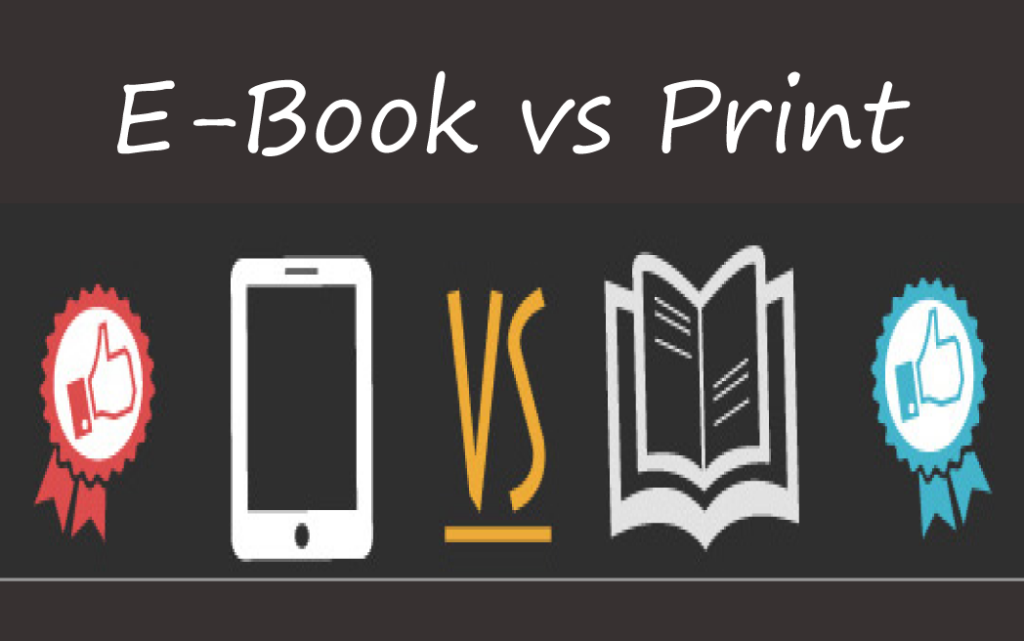
Overview of eBook Publishing
eBook publishing involves distributing books in digital formats such as EPUB, MOBI, and PDF. These formats are designed for compatibility across devices including phones, tablets, and e-readers. eBooks allow instant global access without printing or shipping requirements.
Distribution is handled through platforms like Amazon Kindle and Apple Books, making reach fast and scalable. Many authors prefer this format because it allows quick publishing and low entry cost. It is also common for authors to use a book self publish approach in digital form first to test audience demand before expanding into other formats.
Overview of Print Publishing
Print publishing focuses on physical books such as paperbacks and hardcovers. Today, most authors use print-on-demand systems, where books are printed only after purchase. This removes the need for inventory and reduces financial risk.
Paperbacks are typically used for affordability and wider reach, while hardcovers are positioned as premium editions. Print books continue to be important because many readers still prefer physical reading experiences and collectible formats.
Production Process Comparison
eBooks require flexible formatting that adapts to different screen sizes and devices. Print books require fixed layouts with strict page structure, margins, and alignment. These differences affect how manuscripts are prepared and finalized.
Cover design also varies between formats. eBooks focus on thumbnail visibility, while print covers require full spine and back cover design. Proofing for eBooks is done digitally across devices, while print proofing requires physical verification. Many authors rely on self-book publishing services to ensure both formats are properly prepared.
Cost and Investment Comparison
eBook publishing generally has lower costs because there are no printing or shipping expenses. Most costs come from editing, formatting, and cover design. This makes it more accessible for new authors.
Print publishing requires higher investment due to production and logistics. Even with print-on-demand, each copy has a production cost that reduces profit margins. However, print books can offer higher perceived value and pricing flexibility compared to digital formats.
Pricing and Royalty Structure
eBook royalties are higher because there are no printing deductions. Platforms such as Amazon Kindle Direct Publishing and Apple Books use percentage-based royalty systems depending on pricing models and distribution settings. This allows authors to earn more per sale.
Print book royalties are lower because printing costs are deducted before profit is calculated. However, print books are often priced higher, which helps balance overall earnings potential. Regional pricing differences also affect revenue across markets.
Many authors depend on a self publishing book company to manage pricing structures and ensure consistency across different platforms.
Distribution and Reach
eBooks offer instant global distribution, allowing readers to download books immediately from anywhere in the world. This makes them highly scalable and effective for reaching international audiences quickly.
Print books rely on shipping and physical distribution networks, which can limit immediate availability in some regions. However, they still perform strongly in bookstores and online retail platforms. eBooks focus on accessibility, while print books focus on physical presence and reader experience.
Marketing Differences
eBook marketing focuses heavily on digital channels such as Amazon SEO, paid advertising, email campaigns, and social media promotion. These methods are designed to increase visibility and drive quick conversions.
Print book marketing focuses more on branding, authority, and long-term positioning. Physical books often benefit from influencer outreach and credibility-based promotion. Launch strategies differ as eBooks prioritize short-term spikes, while print books focus on sustained visibility.
Some authors use self-book publishing services to align marketing efforts across both formats and maintain consistency in their overall publishing strategy.
Reader Experience Comparison
eBooks provide a flexible reading experience that depends on devices such as phones, tablets, and e-readers. Readers can adjust font size, lighting, and layout, which improves accessibility for different needs. However, the experience is dependent on screen quality and battery life, which can affect long reading sessions.
Print books offer a physical and tactile experience that many readers still prefer. They do not require devices, charging, or software, which makes them more stable for uninterrupted reading. Reader preferences often vary by age group, reading habits, and content type, with some audiences preferring convenience while others value physical engagement.
Advantages and Limitations
eBooks offer advantages such as instant access, lower production cost, and global distribution. They are easy to publish and update, making them suitable for fast-moving publishing strategies. However, they also have limitations like device dependency and lower perceived value compared to physical books.
Print books offer advantages such as stronger reader trust, better shelf presence, and higher perceived value. They are often preferred for gifting, collecting, and long-form reading. Limitations include higher production costs, slower distribution, and logistical dependencies.
A hybrid publishing approach combines both formats to balance reach and credibility.
Platform Requirements
eBook publishing platforms like KDP and Apple Books require properly formatted digital files such as EPUB or MOBI, along with validated metadata and cover images. Files must meet technical standards for upload and rendering across devices.
Print platforms such as KDP Print and IngramSpark require print-ready PDFs with correct margins, bleed settings, and spine calculations. Formatting standards are stricter due to physical printing requirements.
Both formats require accurate metadata including title, description, keywords, and category selection. The approval process also includes automated checks to ensure compliance with platform guidelines before publication goes live.
Case Study: Author Using Both eBook and Print Publishing
An independent author launched a book using both digital and print formats to maximize reach. The eBook version was released first to build early visibility and attract initial readers. This helped generate early traction and audience feedback.
The print version was released later to target readers who preferred physical copies and higher perceived value. Marketing efforts were aligned across both formats using consistent branding and messaging.
The combined strategy allowed the author to reach different audience segments and improve overall sales performance. Digital distribution provided scale, while print added credibility and long-term value. The results showed stronger engagement compared to using a single format alone.
Common Mistakes in Choosing Formats
- Choosing only one format without considering audience behavior or long-term strategy, which limits reach and reduces revenue potential.
- Poor formatting when adapting a manuscript for digital or print requirements, leading to readability issues and reduced professional quality.
- Ignoring audience preferences, which can result in low engagement and weaker overall sales performance.
- Incorrect pricing decisions that do not match market expectations or format positioning, reducing competitiveness.
- Lack of marketing alignment between formats, which weakens visibility and creates inconsistent messaging across channels.
Conclusion
eBook and print publishing each offer unique advantages and serve different reader needs. eBooks provide speed and global access, while print books offer credibility and physical value. Choosing the right format depends on audience, goals, and publishing strategy.
A balanced approach often works best, especially when authors plan long-term growth and diversified distribution. Careful planning at the format stage helps improve performance and ensures better publishing outcomes over time.
FAQs
What is the main difference between eBook and print publishing?
eBooks are digital formats that readers access on devices such as phones, tablets, and e-readers, while print books are physical copies that can be held and read without any device. The key difference is accessibility versus tangibility, where eBooks focus on instant global access and print books focus on physical reading experience and long-term shelf presence.
Which format is better for first-time authors?
There is no single best option because it depends on the author’s goals and budget. eBooks are usually easier and faster to publish with lower costs, making them suitable for beginners. Print books, on the other hand, offer stronger credibility and reader trust. Many authors choose a hybrid approach to maximize both reach and authority in the market.
Do eBooks and print books require different formatting?
Yes, both formats require completely different preparation. eBooks use reflowable formatting like EPUB or MOBI so content adapts to different screen sizes. Print books require fixed layouts with precise margins, spacing, bleed settings, and print-ready PDF files. Each format also needs separate cover design adjustments to meet platform requirements.
Can I publish both eBook and print versions of the same book?
Yes, most publishing platforms allow authors to release both formats for the same title. This approach helps reach different reader preferences, as some prefer digital convenience while others prefer physical books. Publishing both versions also improves visibility and allows authors to maximize distribution across multiple channels.
Which format earns more money, eBook or print?
eBooks usually offer higher royalty percentages because there are no printing or shipping costs involved. Print books often have lower margins per sale due to production costs, but they can be priced higher depending on market positioning. Overall earnings depend on pricing strategy, audience demand, and how well each format is marketed.